Best Time of Year to Visit Kruger National Park for Wildlife Sightings
Planning a safari to Kruger National Park is an unforgettable experience, but many travellers ask the same question: When is the best time to visit for wildlife sightings?
The truth is that Kruger offers incredible safari opportunities throughout the year, but certain seasons make spotting animals easier depending on weather, vegetation, and animal behaviour. Understanding the seasonal patterns can help you plan the perfect safari adventure and maximize your chances of seeing the famous Big Five.
Understanding the Seasons in Kruger National Park
Kruger has two main seasons that influence wildlife visibility:
- Dry Winter Season (May – September)
- Green Summer Season (October – April)
Both seasons offer unique safari experiences, but they differ in terms of vegetation, water availability, and animal activity.
Winter (May to September) – The Best Time for Wildlife Viewing
The dry winter months are widely considered the best time for wildlife sightings in Kruger National Park.
Why Winter Is Ideal for Safari
1. Sparse Vegetation
During winter, the bush becomes dry and less dense, making it easier to spot animals in open areas and along riverbeds.
2. Animals Gather Around Water Sources
Because natural water sources become scarce, animals gather around rivers and waterholes. This increases your chances of seeing multiple species in one place.
3. Comfortable Safari Temperatures
Winter mornings can be chilly, but daytime temperatures are pleasant and perfect for long game drives.
Wildlife You’re Likely to See
Visitors often see:
- Lions resting in open areas
- Elephants gathering near rivers
- Herds of buffalo
- Leopards moving through dry riverbeds
- Large groups of antelope
The famous Big Five — lion, leopard, elephant, rhino, and buffalo — are often easier to track during these months.
Summer (October to April) – The Green Season
Summer in Kruger National Park transforms the landscape into a lush green paradise.
Advantages of Visiting in Summer
1. Baby Animals Everywhere
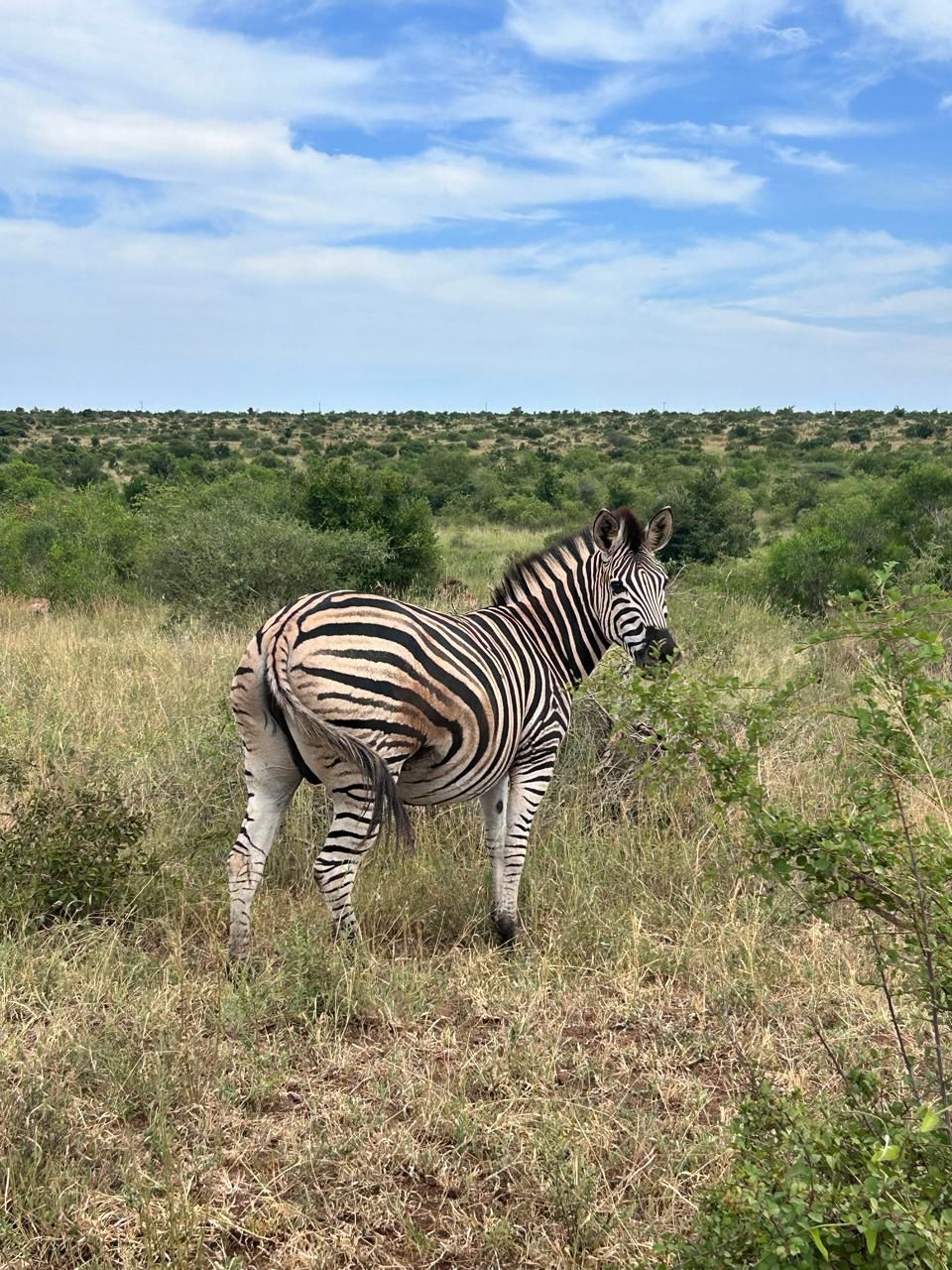
Many species give birth during the summer months, meaning visitors can often see newborn antelope, zebra, and other wildlife.
2. Incredible Birdlife
Migratory birds arrive during the wet season, making Kruger a paradise for birdwatchers.
3. Beautiful Landscapes
The park becomes vibrant and green after the rains, creating stunning scenery for photography.
Challenges in Summer
- Thick vegetation can make animals harder to spot
- Afternoon thunderstorms are common
- Higher humidity and warmer temperatures
Despite these challenges, experienced safari travellers still love the green season for its dramatic skies, active wildlife, and incredible bird sightings.
Month-by-Month Safari Guide
May – Early Dry Season
- Cooler temperatures begin
- Vegetation starts thinning
- Wildlife viewing improves
June – July – Peak Safari Season
- Dry landscapes
- Excellent visibility
- Animals congregate around water
August – September – Prime Game Viewing
- One of the best times for Big Five sightings
- Very dry conditions
- Animals highly active near rivers
October – Start of Summer
- First rains arrive
- Wildlife becomes more active
- Landscapes begin turning green
November – February – Lush Green Season
- Birdwatching is at its best
- Many animals give birth
- Beautiful photographic conditions
March – April – End of Summer
- Rainfall decreases
- Vegetation still green
- Good balance between scenery and wildlife visibility
Best Time for Specific Wildlife
Big Five Sightings:
May – September
Birdwatching:
November – February
Baby Animals:
December – February
Photography:
August – October for dramatic landscapes and animal activity
Staying Near Kruger for the Ultimate Safari Experience
Many visitors choose to stay just outside the park in Marloth Park, a wildlife conservancy located along the southern border of Kruger.
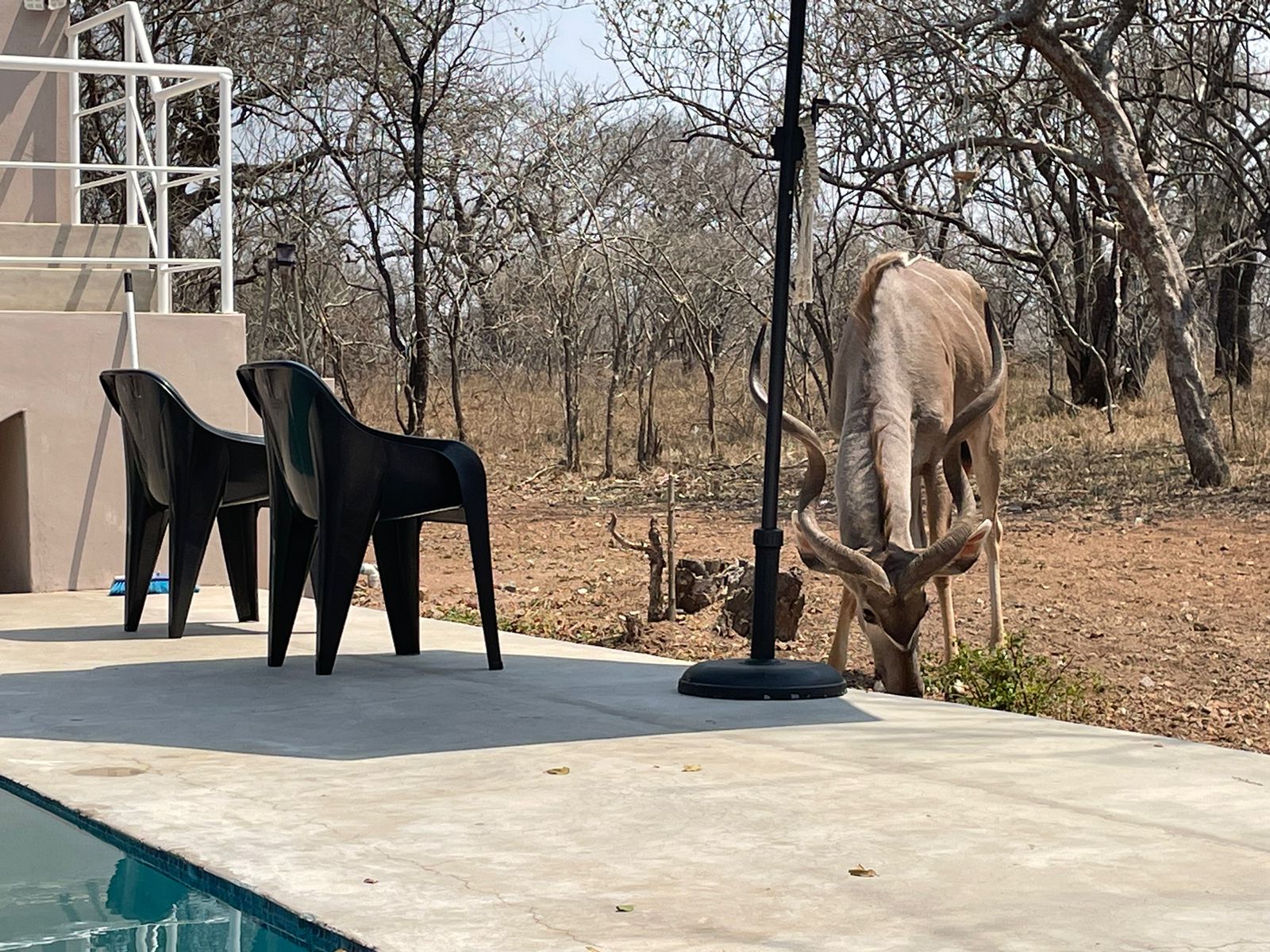
Marloth Park offers unique safari accommodation where animals such as zebra, kudu, warthogs, and giraffes often roam freely between the lodges. Staying here allows guests to enjoy a peaceful bush environment while still being only minutes away from Kruger’s entrance gates.
Luxury self-catering lodges like Sekwa Lodge provide a comfortable base for early morning game drives, sunset safaris, and relaxing evenings in the African bush.
Final Thoughts
There is no bad time to visit Kruger National Park, but the dry winter months from May to September generally offer the best wildlife viewing conditions.
If you prefer lush scenery, birdlife, and newborn animals, the summer green season provides a completely different but equally magical safari experience.
Whether you choose winter or summer, a trip to Kruger promises unforgettable encounters with Africa’s most iconic wildlife and breathtaking natural beauty.
FAQ
When is the absolute best month to visit Kruger National Park?
August and September are often considered the best months due to dry conditions and excellent wildlife visibility.
Is Kruger National Park good in summer?
Yes. Summer offers lush landscapes, baby animals, and incredible birdlife, although animals can be harder to spot due to thick vegetation.
What is the busiest safari season?
June to August is the most popular time because of excellent game viewing and cooler temperatures.
Can you see the Big Five all year round in Kruger?
Yes, the Big Five live in the park year-round, but sightings are more frequent during the dry winter months.