
The Kruger National Park – Overview
Kruger National Park is one of Africa’s most iconic wildlife reserves and a world-renowned safari destination. Covering nearly 20,000 square kilometres, the park stretches across the provinces of Mpumalanga and Limpopo in the northeastern part of South Africa. It forms part of the Greater Kruger ecosystem, which connects with several private reserves and conservation areas, creating one of the largest protected wildlife regions on the continent.
Known for its incredible biodiversity, well-maintained infrastructure, and accessibility, Kruger National Park attracts millions of visitors each year who come to experience the magic of the African bush and observe wildlife in their natural habitat.
A Rich History of Conservation
Kruger National Park has a long and fascinating conservation history. The area was first protected in 1898 by Paul Kruger, who recognised the importance of preserving wildlife that was rapidly disappearing due to hunting and settlement.
Originally called the Sabie Game Reserve, the area later expanded and was officially proclaimed Kruger National Park in 1926, becoming South Africa’s first national park. Since then, the park has grown into one of the most successful wildlife conservation areas in the world.
Location and Landscape
Kruger National Park stretches approximately 350 kilometres from north to south and about 65 kilometres from east to west. The park borders Mozambique in the east and Zimbabwe in the north.
The park’s landscape is incredibly diverse and includes:
- Open savannah grasslands
- Riverine forests
- Granite hills and rocky outcrops
- Mopane woodland
- Seasonal rivers and wetlands
Major rivers flowing through the park include the Crocodile River, Sabie River, Olifants River, and Letaba River, which provide vital water sources for wildlife.
Incredible Wildlife Diversity
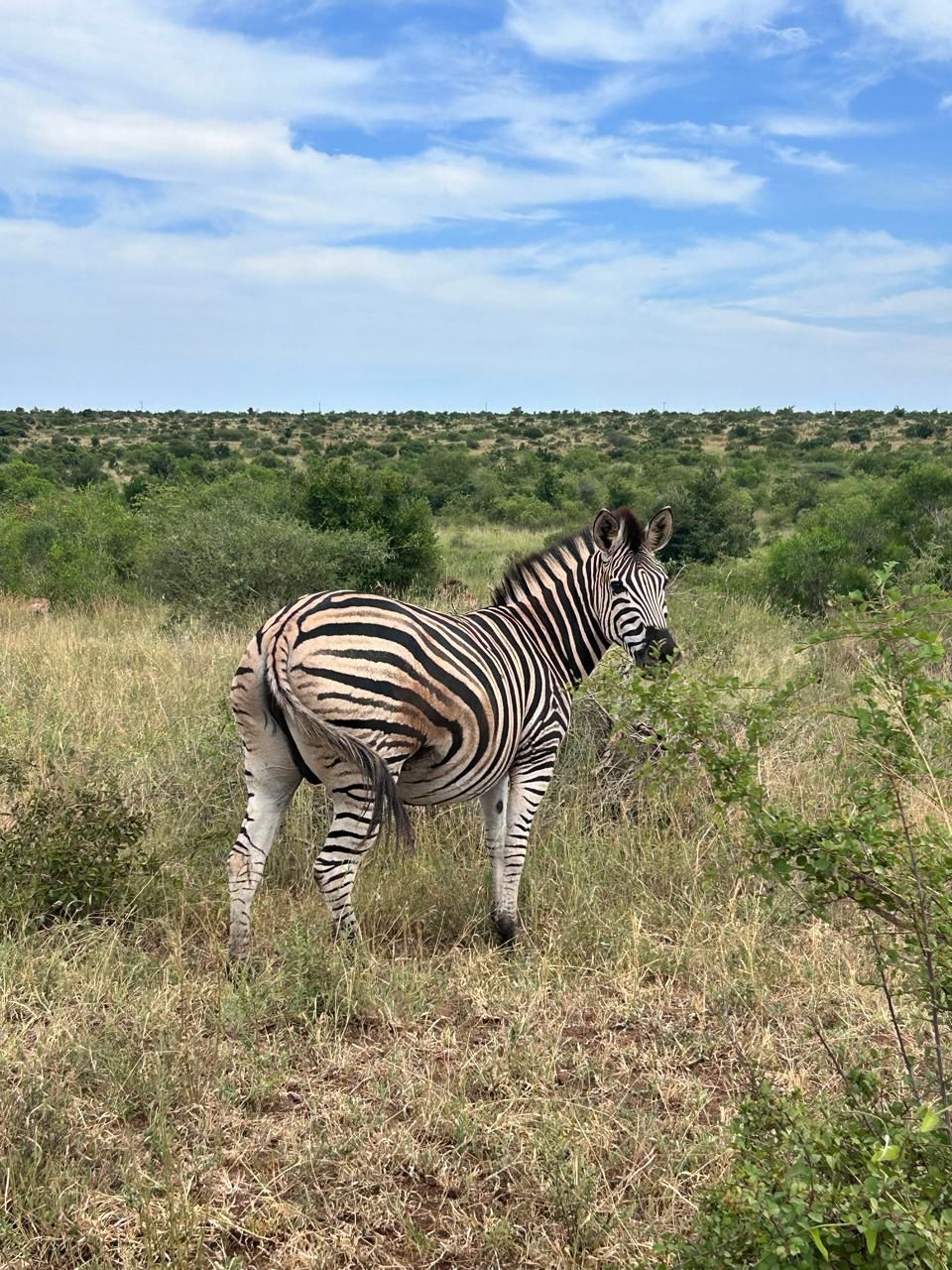
Kruger National Park is famous for its extraordinary wildlife population. The park is home to an impressive variety of animals, birds, reptiles, and plants.
The Big Five
One of the main reasons visitors travel to Kruger is the opportunity to see the famous Big Five:
- Lion
- Leopard
- Elephant
- Rhinoceros
- Buffalo
These animals were historically considered the most difficult to hunt on foot, but today they are the most sought-after wildlife sightings for safari travellers.
Other Wildlife
Kruger also supports a wide range of other mammals including:
- Cheetah
- African wild dog
- Hyena
- Giraffe
- Zebra
- Hippo
- Crocodile
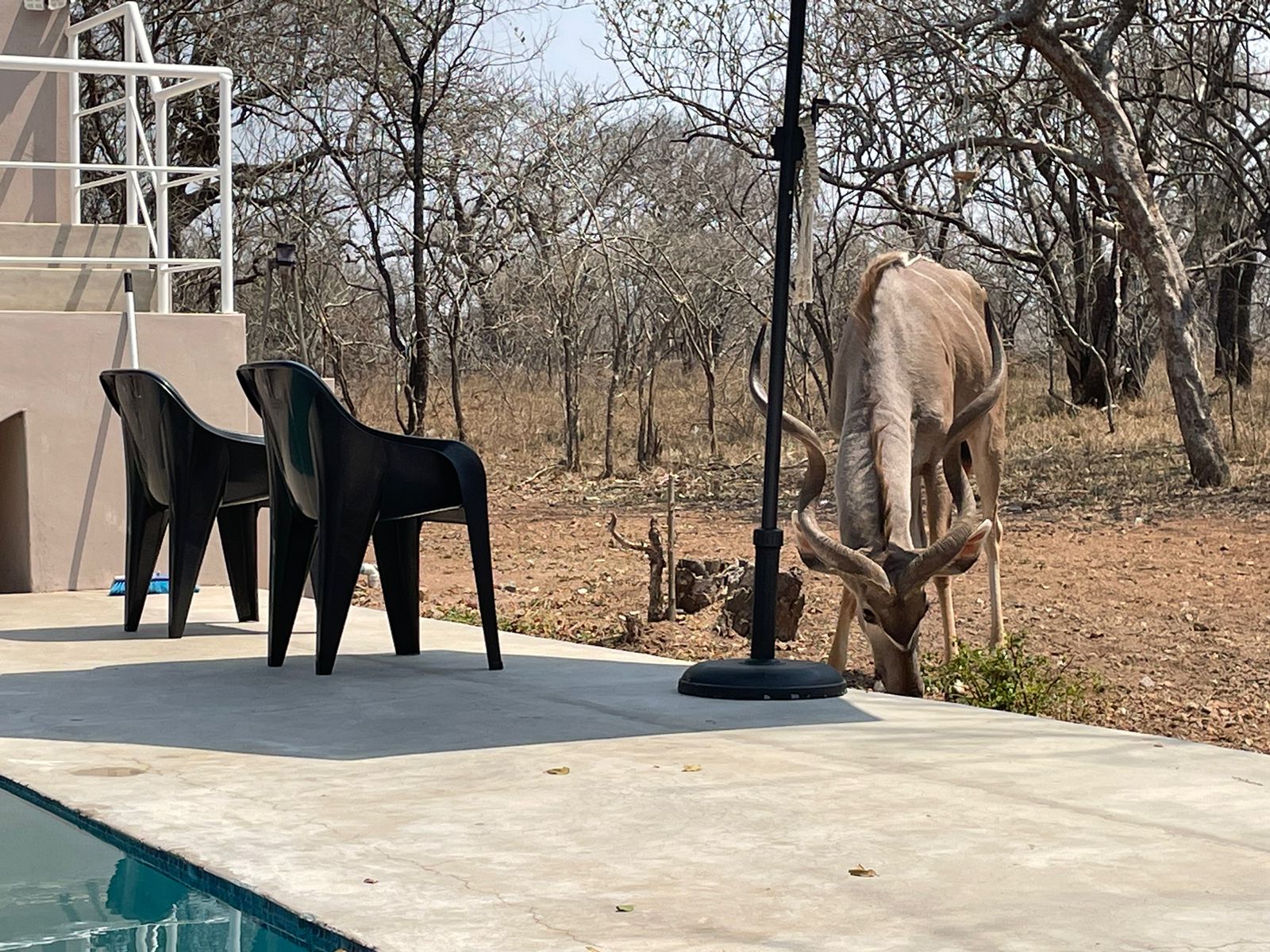
- Numerous antelope species such as impala, kudu, and sable
The park is also home to more than 500 bird species, making it a paradise for birdwatchers.
Safari Experiences
Visitors to Kruger National Park can explore the park in several ways.
Self-Drive Safaris
Kruger is one of the few major African safari parks that allows visitors to drive their own vehicles. This makes the park accessible and affordable for many travellers.
Guided Game Drives
Professional safari guides lead game drives in open safari vehicles, helping visitors spot wildlife and learn about animal behaviour.
Walking Safaris
Guided bush walks provide a more immersive experience, allowing guests to explore the African wilderness on foot under the supervision of trained rangers.
Photographic Safaris
Kruger is also one of the world’s top wildlife photography destinations due to its diverse ecosystems and abundant animals.
Accommodation Options
Kruger National Park offers a wide range of accommodation options for visitors.
These include:
- Rest camps inside the park
- Private safari lodges
- Bush camps and wilderness trails
- Self-catering accommodation nearby
Many travellers choose to stay just outside the park in nearby conservancies such as Marloth Park, where wildlife often roams freely and the park’s entrance gates are only a short drive away.
This allows visitors to enjoy a peaceful bush environment while still having easy access to the park for early morning game drives.
Best Time to Visit
Kruger National Park can be visited year-round, but each season offers a different experience.
Dry Season (May – September)
- Best for wildlife viewing
- Animals gather around water sources
- Cooler temperatures
Green Season (October – April)
- Lush landscapes and beautiful scenery
- Excellent birdwatching
- Many animals give birth during this period
Both seasons offer unique safari opportunities depending on visitor preferences.
Why Kruger National Park Is a Must-Visit Destination
Few places on Earth offer the combination of accessibility, wildlife diversity, and natural beauty found in Kruger National Park. Whether you are visiting for the first time or returning for another safari adventure, the park delivers unforgettable wildlife encounters and breathtaking African landscapes.
From sunrise game drives to sunset views over the bushveld, Kruger National Park provides a safari experience that captures the true spirit of Africa.
For travellers seeking adventure, nature, and once-in-a-lifetime wildlife sightings, Kruger remains one of the greatest safari destinations in the world.